
System Efficiency
Compressed Air Filter Pressure Drop: Why It Matters
Pressure drop is a hidden energy cost in many compressed air systems.
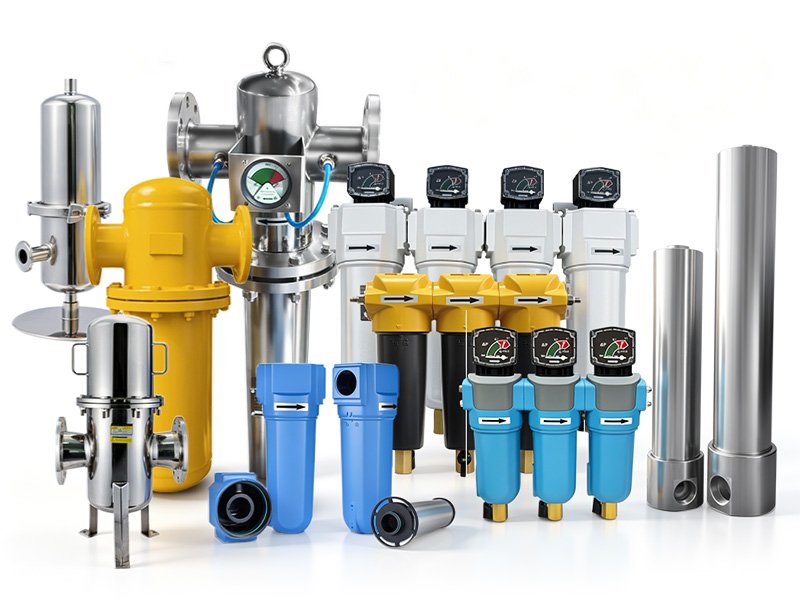
A guide for maintenance and purchasing teams on pressure drop, energy cost and filter element replacement.
Why Pressure Drop Increases
Pressure drop increases when filter elements become loaded with oil, water, particles, dust or pipe scale. It can also increase if the filter housing is too small for the air flow or if the wrong filter grade is installed in the wrong position.
Energy Cost Impact
When pressure drop rises, the compressor may need to operate at higher discharge pressure to maintain downstream demand. Even a small pressure increase can raise energy consumption over long operating hours.
How to Monitor Pressure Drop
Many filters use differential pressure indicators. Maintenance teams should inspect these indicators and record changes over time. A sudden increase may indicate liquid carryover or contamination.
When to Replace Filter Elements
Elements should be replaced according to supplier recommendations, operating hours, pressure drop and air quality requirement. Waiting too long can increase energy cost and risk downstream contamination.
How to Reduce Pressure Drop
Select filters based on actual flow rate, use the correct filtration sequence, drain liquid water before it overloads filters and replace elements on schedule.
Recommended Internal Resources
products/compressed-air-filters products/replacement-filter-elements contact
Need Selection Support?
Contact SUNWIN to identify the right replacement filter element and reduce pressure loss in your compressed air line.
FAQ
Is zero pressure drop possible?
No. All filters create some resistance, but good design keeps pressure drop within an acceptable range.
Does a finer filter always mean better?
Not always. Finer filtration may create higher pressure drop. Use the grade required by the application.
Can pressure drop damage production?
Yes. Low downstream pressure can affect pneumatic tools, valves, instruments and process stability.