
Drain Selection
Automatic vs Manual Condensate Drain: Which Is Better for Compressed Air Systems?
Reliable condensate removal protects dryers, filters, tanks and downstream equipment.
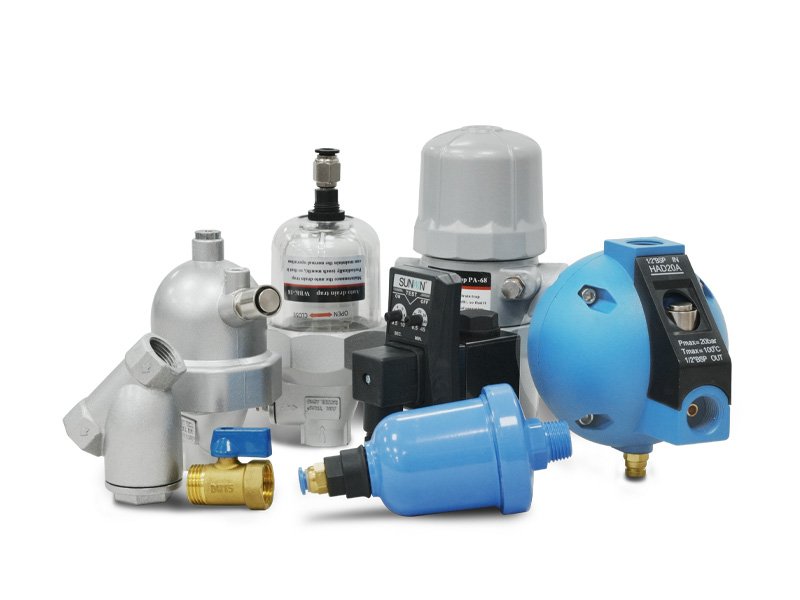
A practical guide to choosing the right condensate drain for industrial compressed air systems.
Manual Condensate Drains
Manual drains are simple valves opened by an operator. They are low cost and easy to understand, but they depend on human attention. If operators forget to drain, water accumulates. If valves are left open, compressed air is wasted.
Automatic Condensate Drains
Automatic drains discharge condensate without constant manual operation. They are commonly installed on receiver tanks, filters, refrigerated dryers, separators and drip legs. Types include timer drains and zero-loss drains.
Air Loss Considerations
Some timer drains release compressed air each time they open. Zero-loss drains are designed to discharge liquid without wasting compressed air. For large plants or continuous operation, reducing air loss can improve lifecycle cost.
Reliability and Maintenance
Automatic drains still need inspection. Strainers can block, valves can stick and discharge lines can clog. Manual drains need operator discipline. The best choice depends on system size, maintenance practice and moisture load.
Where Drains Are Needed
Condensate drains are commonly installed at air receiver tanks, moisture separators, compressed air filters, refrigerated air dryers and low points in piping.
Recommended Internal Resources
products/condensate-drains products/refrigerated-air-dryer products/compressed-air-filters contact
Need Selection Support?
Ask SUNWIN to recommend the right condensate drain type for your dryer, filter and air receiver.
FAQ
Are automatic drains always better?
They are usually better for reliability, but they must be correctly selected and maintained.
What is a zero-loss drain?
It removes condensate while minimizing compressed air loss.
Can failed drains cause water after the dryer?
Yes. Drain failure is a common cause of downstream moisture problems.